Walla, Walla, WA | 509-529-7537
509-529-7537
10 Tips for Storing Olive Oil
Olive oil is often referred to as “liquid gold” for its numerous health benefits, rich flavor, and versatility in cooking. However, to ensure that your olive oil retains its freshness and high quality, proper storage is essential. Exposure to heat, light, and air can degrade olive oil quickly, reducing its nutritional value and flavor. In this guide, we will explore the best practices for preserving olive oil, ensuring that every drop maintains its peak quality for as long as possible.
Understanding Olive Oil’s Sensitivity
Before diving into storage techniques, it’s crucial to understand why olive oil needs special care. Unlike other cooking oils, extra virgin olive oil (EVOO) contains high levels of antioxidants and polyphenols, which can deteriorate when exposed to external elements. The main factors that negatively affect olive oil are:
Light: UV rays break down the beneficial compounds in olive oil, causing it to become rancid faster.
Heat: Temperatures above 70°F (21°C) accelerate oxidation, reducing the oil’s freshness and nutritional benefits.
Air: Oxygen exposure leads to oxidation, which diminishes the oil’s quality over time.
Time: Olive oil doesn’t age like wine; its quality degrades over time, so it’s best consumed fresh.
Now that we understand the threats to olive oil, let’s explore the best ways to store it properly.
1. Store Olive Oil in a Cool, Dark Place
One of the most critical storage tips is to keep your olive oil away from heat and direct sunlight. A pantry or cupboard away from the stove, oven, or windows is an ideal spot. If you prefer keeping olive oil on the countertop for easy access, use an opaque or dark-colored bottle to protect it from light exposure.
2. Choose the Right Container
The type of container you use can make a significant difference in preserving olive oil. Opt for:
Dark Glass Bottles: These reduce light exposure and help maintain freshness.
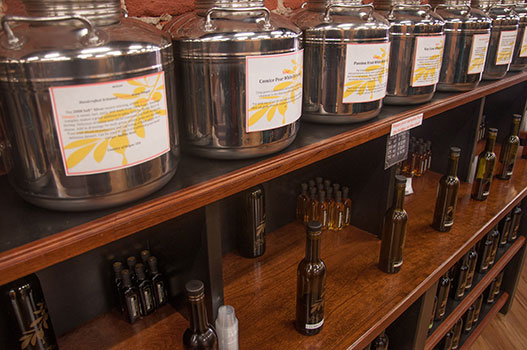
Stainless Steel Containers: These provide excellent protection against light and air.
Ceramic or Opaque Bottles: These prevent oxidation and preserve the oil’s quality.
Avoid Plastic and Clear Glass: Plastic can leach chemicals into the oil over time, while clear glass offers no protection against light.
3. Keep the Bottle Sealed
Air exposure speeds up oxidation, causing the oil to spoil faster. Always ensure the bottle or container is tightly sealed after each use. If you purchase olive oil in a large container, consider transferring small amounts into a smaller, airtight bottle for daily use to minimize exposure to air.
4. Avoid Storing Olive Oil Near Heat Sources
Many people store olive oil near the stove for convenience, but the constant heat exposure can accelerate its degradation. Instead, keep your bottle in a cool, dark place, ideally at a temperature between 57°F and 70°F (14°C and 21°C). If you live in a particularly warm climate, storing olive oil in a wine fridge or a cool basement can help extend its shelf life.
5. Do Not Refrigerate Extra Virgin Olive Oil
While refrigeration can extend the shelf life of some oils, it is not ideal for extra virgin olive oil. Cold temperatures cause olive oil to solidify and form waxy crystals. Although it will return to liquid form at room temperature, repeated cooling and warming cycles can impact the oil’s taste and texture.
6. Buy Olive Oil in Small Quantities
Since olive oil is best consumed fresh, it’s wise to buy smaller quantities that you can use within a few months. Bulk purchases may be cost-effective, but unless you consume large amounts quickly, the oil may lose its flavor and health benefits before you finish it.
7. Check the Harvest Date
Unlike many processed foods, olive oil does not have an indefinite shelf life. Always check the harvest date on the bottle rather than just the expiration date. Olive oil is best consumed within 12–18 months of its harvest date for optimal freshness.
8. Clean the Bottle Regularly
Residue buildup on the bottle’s neck can turn rancid and contaminate the fresh oil inside. Wipe the bottle’s opening regularly and clean your oil dispensers to prevent any spoilage.
9. Recognize Signs of Rancid Oil
No matter how well you store olive oil, it will eventually go bad. Recognizing the signs of rancid oil can prevent you from using degraded oil in your meals. Signs of rancid olive oil include:
A stale or crayon-like odor
A greasy or waxy mouthfeel
A sour or bitter taste (beyond the usual peppery kick of EVOO)
If you notice any of these signs, it’s time to replace your oil.
10. Use Olive Oil Before It Expires
Even under ideal conditions, olive oil will eventually degrade. Try to use it within a reasonable timeframe. If you find yourself with more oil than you can use, incorporate it into your diet creatively—use it in baking, salad dressings, marinades, or even skincare routines.
Olive oil is a valuable addition to any kitchen, offering incredible flavors and numerous health benefits. However, to enjoy its full potential, proper storage is key. By keeping it away from light, heat, and air, and using it within a reasonable timeframe, you can ensure that your olive oil remains as fresh and flavorful as the day you bought it.
By following these simple preservation tips, you’ll not only protect the quality of your olive oil but also enhance your culinary experiences. Enjoy the liquid gold at its best!
INFORMATION
Subscribe to D'Olivo via Email
Stay up to date! Sign up to receive D'Olivo emails
© D'Olivo
Accepted Forms of Payment