Walla, Walla, WA | 509-529-7537
509-529-7537
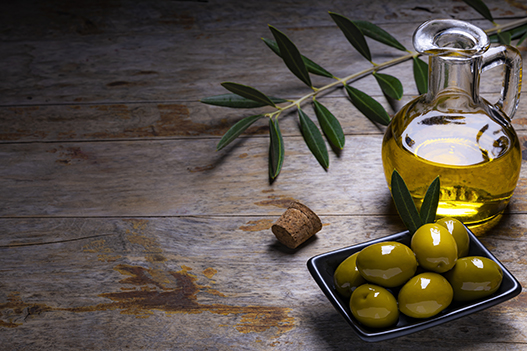
Why Premium EVOO Is Worth the Price
Let’s be honest — most of us have stood in the grocery store, staring at a $30 bottle of olive oil next to a $7 one, and thought, “There’s no way the difference is that big.” I get it. But once you understand what actually goes into producing a genuinely great Extra Virgin Olive Oil, that price gap starts to make a lot more sense.
It Starts With Picking Olives at the Wrong Time (On Purpose)
Here’s something that surprised me when I first learned about olive oil production: it takes somewhere around 8 to 11 kilos of olives to get a single litre of quality oil. That’s a *lot* of olives. And premium producers make it even harder on themselves by harvesting early — late September, early October in Spain — when the olives are still green and underripe.
Why would anyone do that? Because that’s when the flavour is at its peak. You get that fresh, grassy, almost peppery bite that people who know olive oil go crazy for. The trade-off is brutal, though. Green olives give up way less oil than ripe ones, which drives the cost up considerably.
Compare that to the stuff lining most supermarket shelves. Those oils typically come from olives picked in December or January, when they’re overripe and have lost most of the flavour complexity and health compounds that made them worth pressing in the first place. You’re essentially paying less for a diminished product.
The Mill Matters More Than You’d Think
Getting the olives off the tree is only half the battle. The milling process is where things get technical — and expensive.
To legally earn the “Extra Virgin” label, the oil has to be cold-pressed below 27°C. Running the press hotter would squeeze out more oil and cut costs, but it wrecks the flavour and strips out the nutrients. So premium producers eat that loss.
Then there’s the cleanliness factor. Even a small amount of residue from a previous batch sitting in the machinery can contaminate the new oil. The people running serious mills are borderline obsessive about this, and they need to be. It’s year-round work that demands skilled operators who actually care about the end product.
Can You Actually Cook With It? (Yes. Stop Worrying.)
This one drives me nuts. Somewhere along the way, the idea took hold that you shouldn’t cook with EVOO because of its smoke point. It sounds reasonable on the surface, but the research doesn’t back it up.
Smoke point, it turns out, is a pretty lousy predictor of how an oil actually performs under heat. What matters more is the oil’s polyunsaturated fat content (lower is better) and its antioxidant levels (higher is better). Premium EVOO checks both boxes. It’s unrefined, loaded with natural antioxidants, and has been shown in controlled testing to be the most stable cooking oil you can use at home — pan-frying, deep-frying, baking, all of it.
One study heated various oils to 180°C for six hours straight. EVOO produced the fewest harmful polar compounds of any oil tested, beating out canola, grapeseed, and the rest. So no, you’re not “wasting” good olive oil by cooking with it. You’re actually making the smartest choice.
The Health Angle Is Real, Not Just Marketing
Premium EVOO is packed with polyphenols, Vitamin E, and squalene — compounds that fight oxidative stress and inflammation throughout your body. This isn’t fringe wellness stuff. The research on olive oil and health is deep and well-established.
Regular consumption supports cardiovascular health by pushing LDL cholesterol down and HDL up. There’s growing evidence it may help protect cognitive function as we age, with some studies pointing toward reduced Alzheimer’s risk. A tablespoon on an empty stomach can stimulate bile production and support digestion. And the monounsaturated fats help with blood sugar regulation and insulin sensitivity.
None of these benefits come free, though. They’re tied directly to the polyphenol and antioxidant content — exactly the compounds that get sacrificed when producers cut corners on harvest timing or milling temperature.
It Does More Than You’d Expect
This is where things get fun. Bartenders have started using premium EVOO in cocktails — fat-washing spirits with it or shaking it into drinks like a Mango Jalapeño Margarita to add body and a silky texture. It sounds strange until you try it.
On the beauty side, the monounsaturated fats can penetrate the hair shaft to smooth out frizz, and it works surprisingly well as a gentle makeup remover. The antioxidants you’re consuming also support skin hydration and collagen protection from the inside. Not bad for a pantry staple.
So Is It Worth It?
Look, nobody can produce a genuinely premium, early-harvest olive oil cheaply. The math just doesn’t work. Lower yields, higher labour costs, expensive equipment, skilled operators — it all adds up. If you’re looking to stretch your dollar, buying in larger formats (2L or 5L containers) from a reputable producer is the move.
But yes, it’s worth it. You’re paying for something that tastes better, cooks safer, and actively supports your health in ways that cheaper alternatives simply cannot. That $30 bottle starts looking like a bargain once you understand what’s inside it.
INFORMATION
Subscribe to D'Olivo via Email
Stay up to date! Sign up to receive D'Olivo emails
© D'Olivo
Accepted Forms of Payment