Walla, Walla, WA | 509-529-7537
509-529-7537
How to Taste and Appreciate Olive Oil Like a Pro
Most of us have experienced wine tastings—the swirling, sniffing, and thoughtful sipping that reveals complex flavors and aromas. But did you know that olive oil deserves the same sophisticated approach? Professional olive oil sommeliers train for years to develop their palates, but with a few expert techniques, you can begin to taste and appreciate olive oil like a pro, discovering nuances you never knew existed in this everyday ingredient.
Setting the Stage for a Proper Tasting
Just as with wine, the environment matters when tasting olive oil. Professional tasters follow these guidelines:
Temperature is key: Olive oil should be tasted at room temperature (around 70°F/21°C), as cold temperatures mask flavors and aromas.
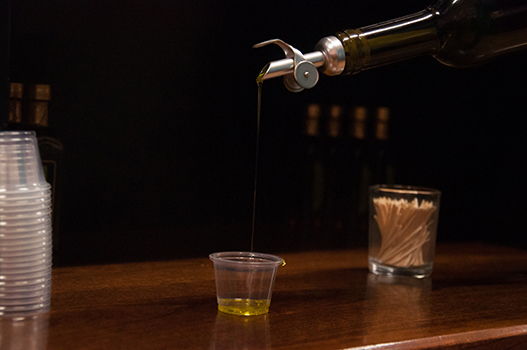
Use proper glassware: Traditional tasting glasses are small, blue cobalt cups that prevent visual bias based on the oil’s color. At home, a small wine glass or shot glass works perfectly.
Cleanse the palate: Have slices of green apple or sparkling water nearby to cleanse your palate between samples.
Avoid competing aromas: Skip perfume or scented products on tasting day, and ensure your tasting area is free from cooking odors or strong scents.
The Professional Tasting Method: Swirl, Sniff, Slurp, Swallow
Step 1: Warm and Swirl
Pour about a tablespoon of oil into your tasting glass. Cup the glass in one hand, covering the top with your other hand to trap the aromas. Gently warm the oil with your body heat for about 30 seconds while swirling it to release volatile compounds.
Step 2: Sniff (Evaluate Aromas)
Remove your hand and immediately bring the glass to your nose. Take short, quick sniffs rather than one long inhale. Note your first impressions—professionals call this the oil’s “aroma profile.” You might detect:
Fresh-cut grass
Green tomato leaves
Artichoke
Fresh herbs
Ripe or green banana
Apple or other fruits
Flowers
Step 3: Slurp (The Crucial Step)
This is where olive oil tasting diverges dramatically from wine tasting—and where beginners often feel self-conscious. Take a small sip of the oil while simultaneously drawing in air through your teeth to create a slurping sound. This technique, called “stripping,” aerates the oil and spreads it throughout your mouth, hitting all taste receptors.
Step 4: Swallow (Evaluate the Finish)
Pay attention to the sensations that develop. After swallowing, notice how long the flavors persist—this is called the “finish.” A high-quality oil will leave a pleasant aftertaste that can last several minutes.
Understanding What You’re Tasting: The Three Positive Attributes
Professional tasters evaluate olive oils based on three positive attributes:
1. Fruitiness
All quality olive oils should be fruity—reminiscent of fresh or ripe olives. Fruitiness can range from delicate (subtle fruit notes) to intense (powerful fruity characteristics). You might detect notes of:
Green fruit (apple, pear)
Ripe fruit (banana, tropical fruits)
Berries
Nuts
Fresh herbs (basil, mint)
Vegetables (artichoke, tomato)
2. Bitterness
Contrary to what you might think, bitterness is a positive quality in olive oil! It stems from antioxidants called polyphenols, which indicate both health benefits and freshness. Bitterness is perceived primarily on the back of the tongue and might remind you of:
Dark chocolate
Arugula
Radicchio
Green tea
3. Pungency
That peppery, stinging sensation in your throat when you swallow quality olive oil is called pungency. It can cause a cough reflex—and that’s a good thing! Professionals sometimes refer to oils as “one-cough,” “two-cough,” or even “three-cough” oils, with more coughs indicating higher polyphenol content and more robust flavor. This pungency comes from oleocanthal, an anti-inflammatory compound with similar properties to ibuprofen.
Identifying Defects: What Shouldn’t Be There
A critical skill for olive oil tasters is identifying defects. Common defects include:
Rancidity: Reminiscent of crayons, putty, or old nuts
Fusty: A fermented quality similar to sweaty socks or blue cheese
Musty: Damp, earthy notes like mushrooms or a wet basement
Winey-Vinegary: Reminiscent of vinegar or wine
Metallic: A tinny taste that can come from prolonged contact with metal surfaces
True extra virgin olive oil should have zero defects—this is a fundamental requirement for the classification.
Creating a Tasting Journal
Like wine enthusiasts, serious olive oil tasters keep notes. Start a simple journal documenting:
Olive varieties (if known)
Harvest date
Region of origin
Intensity of fruitiness, bitterness, and pungency (mild, medium, robust)
Specific flavor descriptors you detect
Food pairing ideas based on your tasting notes
Pairing Like a Pro
Once you understand an oil’s flavor profile, you can pair it strategically with foods:
Delicate oils (mild in fruitiness, bitterness, and pungency): Pair with delicate foods like fish, chicken breast, or mild cheeses.
Medium oils (moderate intensity): Versatile for cooking, salads, and drizzling over vegetables.
Robust oils (intense in all attributes): Stand up to rich foods like steak, bitter greens, tomato-based dishes, and dark chocolate desserts.
The Final Sip
Developing your olive oil palate is a journey, not a destination. With each tasting, you’ll become more adept at identifying nuances and expressing what you taste. Don’t be intimidated—even professional olive oil sommeliers continue to refine their skills throughout their careers.
The next time you drizzle olive oil over a dish, take a moment to appreciate its complexity. Taste before you cook, consider its attributes, and match it thoughtfully with your meal. You’ll be amazed at how this simple practice can transform your culinary experience and deepen your appreciation for one of the world’s oldest and most revered ingredients.
INFORMATION
Subscribe to D'Olivo via Email
Stay up to date! Sign up to receive D'Olivo emails
© D'Olivo
Accepted Forms of Payment