Walla, Walla, WA | 509-529-7537
509-529-7537
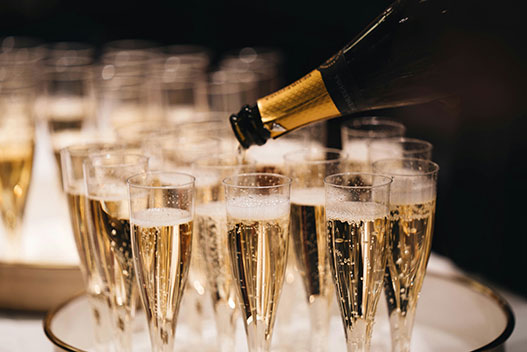
Celebration Cocktails: Incorporating Champagne and Bubbles into Your Mixology
There’s something magical about bubbles that instantly elevates any gathering from ordinary to extraordinary. While champagne and sparkling wines are traditionally reserved for toasts and special occasions, incorporating these effervescent treasures into your home mixology opens up a world of sophisticated cocktail possibilities. Whether you’re working with authentic French Champagne, Spanish Cava, Italian Prosecco, or American sparkling wines, each brings its own character and charm to cocktail creation.
Understanding Your Bubble Options
Before diving into cocktail recipes, it’s essential to understand the different types of sparkling wines at your disposal. True Champagne, produced exclusively in France’s Champagne region, offers complex flavors with fine, persistent bubbles and a crisp, often mineral finish. Its higher price point makes it perfect for special celebration cocktails where the wine’s character can truly shine.
Spanish Cava provides excellent value with its clean, refreshing profile and lively bubbles. Made using the traditional méthode champenoise, Cava offers similar complexity to Champagne at a more accessible price point, making it ideal for larger gatherings or experimenting with new cocktail recipes.
Italian Prosecco brings a fruitier, more approachable character with its light, floral notes and gentle bubbles. Its sweetness level varies from bone-dry to slightly sweet, giving you flexibility in cocktail creation. American sparkling wines offer diverse flavor profiles depending on their region and grape varieties, often providing excellent quality at moderate prices.
Classic Champagne Cocktails Reimagined
The French 75, a classic cocktail combining gin, lemon juice, simple syrup, and Champagne, demonstrates how bubbles can transform a simple sour into something elegant. Try this recipe with different sparkling wines to discover how each variety changes the cocktail’s character. A Spanish Cava version will be crisper and more mineral-driven, while Prosecco creates a softer, more approachable drink.
The Kir Royale, traditionally made with Champagne and crème de cassis, becomes an exploration in flavor pairing when you experiment with different sparkling wines. Use a dry Cava for a more structured drink, or try it with a slightly sweeter Prosecco for a more fruit-forward cocktail. Consider substituting different liqueurs—elderflower liqueur with Champagne creates a sophisticated variation, while peach liqueur with Prosecco evokes the classic Bellini.
Seasonal Sparkler Creations
Spring calls for light, floral cocktails that celebrate renewal and fresh ingredients. A Elderflower Spritz combines Prosecco with elderflower liqueur, a splash of soda water, and fresh herbs like mint or basil. The gentle bubbles and floral notes create a perfect afternoon cocktail for garden parties or brunch gatherings.
Summer entertaining benefits from fruit-forward sparklers that cool and refresh. A Peach Cava Sangria combines Spanish Cava with fresh peach puree, a touch of honey, and seasonal fruits. The wine’s acidity balances the fruit’s sweetness while the bubbles add festive energy. For individual servings, muddle fresh berries with a splash of simple syrup, add a quality gin or vodka, and top with your choice of sparkling wine.
Fall celebrations welcome deeper, more complex flavors that pair beautifully with the season’s harvest. A Cranberry Champagne Cocktail combines tart cranberry juice with Champagne and a splash of orange liqueur, creating a sophisticated alternative to traditional holiday punches. The addition of fresh rosemary or thyme adds an herbaceous note that complements the wine’s complexity.
Winter calls for warming spices and rich flavors that contrast beautifully with sparkling wine’s refreshing qualities. A Pomegranate Sparkler combines pomegranate juice with Champagne and a hint of cinnamon simple syrup, while a Spiced Pear Fizz uses pear nectar, a touch of ginger liqueur, and sparkling wine for a cozy yet celebratory drink.
Brunch and Daytime Delights
Sparkling wine cocktails excel at brunch, where their effervescence and relatively lower alcohol content make them perfect for daytime entertaining. The classic Mimosa becomes more interesting when you move beyond basic orange juice. Try blood orange juice with Champagne, or experiment with other fruit juices like pineapple, grapefruit, or even fresh apple cider with Cava.
A Sparkling Bloody Mary takes the classic brunch cocktail to new heights by topping it with sparkling wine instead of soda water. The bubbles add levity to the rich, savory flavors while maintaining the drink’s complexity. Use a drier sparkling wine to avoid competing with the tomato juice’s acidity.
Food Pairing Considerations
When serving sparkling cocktails alongside food, consider how the bubbles and acidity will interact with different flavors. Champagne-based cocktails pair beautifully with rich, creamy dishes like eggs Benedict or smoked salmon, as the wine’s acidity cuts through the richness. Cava cocktails complement Spanish-inspired appetizers like manchego cheese or jamón ibérico.
Prosecco cocktails work wonderfully with lighter fare—think prosciutto-wrapped melon, fresh mozzarella, or fruit-based desserts. The wine’s fruitiness enhances rather than competes with delicate flavors.
Tips for Success
Always chill your sparkling wine thoroughly before mixing—ideally to 38-40°F. This ensures the bubbles remain lively and the wine maintains its crisp character. When mixing cocktails, add the sparkling wine last and pour slowly to preserve carbonation.
Use quality ingredients that complement rather than mask the wine’s character. Fresh juices, premium spirits, and house-made syrups will elevate your cocktails significantly. Simple syrup infused with herbs, spices, or fruit provides an easy way to add complexity without overpowering the sparkling wine.
Consider glassware carefully—flutes preserve bubbles longest, while coupes offer better aromatics. For larger format cocktails, use wine glasses that allow room for garnishes and aromatics to develop.
Stocking Your Home Bar
Building a sparkling wine collection for cocktails doesn’t require breaking the bank. Keep a reliable Spanish Cava for everyday mixing, a bottle of Prosecco for fruit-forward cocktails, and a quality Champagne for special celebrations. American sparkling wines offer excellent middle-ground options that provide complexity without the premium price.
Store unopened bottles in a cool, dark place, and remember that once opened, sparkling wine should be consumed within a day or two for best results. Special champagne stoppers can help preserve bubbles for slightly longer periods.
The Joy of Bubbles
Incorporating sparkling wines into your home mixology transforms ordinary gatherings into memorable celebrations. Whether you’re crafting elegant Champagne cocktails for an anniversary dinner or mixing pitchers of Cava sangria for a summer party, bubbles add an element of joy and sophistication that guests remember long after the last sip.
Experiment with different sparkling wines to discover your preferences, and don’t be afraid to adapt classic recipes to suit your taste. The beauty of sparkling wine cocktails lies in their versatility and the instant celebration they bring to any occasion. With a well-stocked selection of bubbles and a few quality ingredients, you’ll be ready to elevate any gathering from simple to spectacular.
INFORMATION
Subscribe to D'Olivo via Email
Stay up to date! Sign up to receive D'Olivo emails
© D'Olivo
Accepted Forms of Payment