Walla, Walla, WA | 509-529-7537
509-529-7537
How to Tell If Your Olive Oil Is Actually Extra Virgin
Walk down any grocery store aisle, and you’ll see dozens of bottles labeled “extra virgin olive oil.” It sounds premium, healthy, and authentic. But here’s the thing: not every bottle that claims the title lives up to it.
In fact, the olive oil industry has long struggled with mislabeling and inconsistency. What you think is extra virgin may actually be refined, old, or blended with lower-grade oils. So how can you, as a home cook or food lover, tell the difference?
Let’s unpack what “extra virgin” really means, and how to spot the real thing.
What Does “Extra Virgin” Actually Mean?
The term “extra virgin” refers to the highest standard of olive oil production. To qualify, an olive oil must be made from fresh olives, cold-pressed without the use of chemicals or heat, and meet strict requirements for taste, aroma, and acidity.
Chemically, a true extra virgin olive oil must have a free acidity level of less than 0.8%. It also must pass a sensory evaluation: no musty, rancid, or fusty smells. It should taste fresh, often a little peppery or grassy, with fruity or herbal notes. Unfortunately, the label isn’t always backed by the process.
The Problem with Mass-Market Olive Oils
In large commercial production, it’s not uncommon for olive oils to be blended, stored too long before bottling, or even cut with other oils like soybean or canola. Some are heat-processed or deodorized to mask poor quality, yet still carry the “extra virgin” label.
The result? A bland, lifeless product that offers none of the flavor or nutritional benefits you were expecting.
That’s why learning to spot the signs of real extra virgin olive oil is so important. When you know what to look for, your food and your health benefit from the difference.
Signs That Your Olive Oil Is The Real Deal
Sign #1: The Harvest Date Matters
A real extra virgin olive oil will often list the harvest date on the bottle. Not the best-by date, the actual harvest. That’s because freshness is critical. Olive oil is not like wine; it doesn’t get better with age.
You want oil that was harvested within the last 12 to 18 months. If there’s no harvest date at all, that’s a red flag. Freshness means flavor, antioxidants, and authenticity.
Sign #2: The Packaging Tells a Story
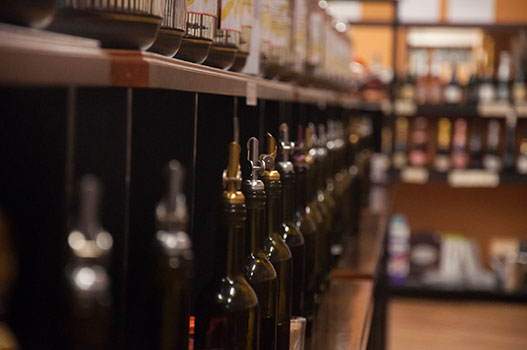
High-quality olive oil comes in dark glass bottles or opaque tins, not clear plastic. That’s because light and air are enemies of fresh oil. If the packaging looks like an afterthought, the oil inside likely is too.
D’Olivo, for instance, bottles in dark containers and stores products properly, protecting their flavor integrity from start to finish. The moment you open one, you can smell the difference.
Sign #3: Taste and Smell Are Your Best Clues
Good olive oil engages your senses. When you open the bottle, there should be a grassy, fruity, or herbaceous aroma, not flat or greasy. On the tongue, a little bitterness or peppery burn at the back of the throat is a good thing. It’s a sign of high polyphenol content and freshness.
If your oil smells like nothing, or tastes greasy and dull, it’s likely not real extra virgin, even if the label says it is.
Sign #4: Where It Comes From Matters
Look for bottles that state the origin clearly. Is the oil from a single estate or country? Or is it a vague “product of multiple countries” blend? Traceable origins usually signal better quality and transparency.
Producers that take pride in their oil will tell you where it came from, how it was harvested, and when it was bottled.
Sign #5: Price Reflects Quality
While not always a hard rule, extremely cheap olive oil is almost never extra virgin. Producing true EVOO takes care, labor, and speed, olives are pressed within hours of harvesting to avoid oxidation.
So if a bottle is shockingly inexpensive, ask yourself: where did corners get cut?
At D’Olivo, we source our oils directly from Veronica Foods who ensures all their olive oils meet the most rigorous of standards. In order for our oils to hit the shelves they must meet 33 quality parameters to earn the Ultra Premium designation.
Why It Matters
You might wonder why all of this matters. After all, isn’t olive oil just olive oil?
Not quite. True extra virgin olive oil isn’t just about taste, though it does taste far superior. It’s also about nutrition. Some studies show that high-quality extra virgin olive oil contains antioxidants and compounds linked to reduced inflammation and heart health.
But only if it’s the real thing. Once oil is oxidized, heat-treated, or cut with fillers, those benefits fade fast.
How to Upgrade Your Kitchen
The good news? Once you’ve had real EVOO, it’s hard to go back.
You start noticing how much more alive your food tastes. A salad becomes more vibrant. A slice of bread becomes a treat. Simple pasta dishes suddenly feel layered and restaurant-worthy, and it all starts with understanding what’s in your bottle.
So the next time you shop, don’t just read the label. Smell it. Taste it. Look for signs of care and clarity. Choose oils that tell you their story, not just their price.
At D’Olivo, that’s exactly what we promise in every bottle, real extra virgin olive oil.
INFORMATION
Subscribe to D'Olivo via Email
Stay up to date! Sign up to receive D'Olivo emails
© D'Olivo
Accepted Forms of Payment